
Thanksgiving is Thursday, Nov. 26, and for a lot of us the stretch from here to New Year’s means later nights, more driving, more screens, a drink or two at parties and a long list of things to get done. If you notice a dull, squeezing headache showing up more often this time of year, you are in good company. Here is what a tension headache usually feels like, why the holidays can set one off, what helps at home and when someone in Wheat Ridge or west Denver should get it checked.
What does a tension headache feel like?
Tension-type headache is the most common kind of headache, according to the National Institute of Neurological Disorders and Stroke (NINDS). The pain is usually mild to moderate and feels like steady pressure on the face, head or neck, or like a belt being tightened around the head. Most people feel it on both sides.
MedlinePlus, the National Library of Medicine’s health site, describes the pain as dull and pressure-like rather than throbbing, often worse in the scalp, temples or the back of the neck, and sometimes reaching into the shoulders. It can last anywhere from 30 minutes to 7 days. Cleveland Clinic puts the average at four to six hours and notes that tension headaches are often better in the morning and worse in the evening.
How is it different from a migraine?
NINDS lists a few differences that are easy to remember:
- A tension-type headache does not come with an aura beforehand, and it does not bring nausea or vomiting.
- It does not get worse with everyday activity like walking or climbing stairs. Cleveland Clinic says the same.
- A migraine is usually moderate to severe, throbbing pain on one side of the head.
If your headaches look more like the migraine pattern, or you are not sure which you have, that is a good question to bring to a clinician rather than guess at.
Why do headaches seem to pile up around the holidays?
None of these sources mention the holidays by name, but the triggers they list will sound familiar this time of year. NINDS says emotional stress is an important trigger, because it can make the muscles in the neck, face, scalp and jaw contract. Other common triggers on the NINDS and MedlinePlus lists include:
- Not enough sleep, or poor quality sleep.
- Holding your head in one position for a long time, such as reading, working on a computer or looking down at a phone.
- Alcohol.
- Not drinking enough water.
- Too much caffeine, or skipping your usual cup.
- Jaw clenching or teeth grinding.
- Eye strain.
- Sleeping in a cold room or with your neck at an awkward angle.
NINDS also notes that a change in routine, like airplane travel or fasting, can bring on a headache. If late nights are already wearing you down, our piece on why so many Coloradans feel tired this fall covers sleep and fatigue in more detail, and our guide to neck pain from phones and laptops explains how screen posture loads the neck.
What helps at home?
MedlinePlus says a mild to moderate headache that has no other symptoms and gets better with home treatment within a few hours may not need medical attention. For that kind of headache, the sources describe a few practical steps:
- Keep a headache diary. MedlinePlus suggests writing down when headaches start and what came before them, so you and your clinician can spot your own triggers.
- Ice or heat. MedlinePlus lists ice or hot packs among the conservative options, along with massage and relaxation or stress-management training.
- Move your neck and shoulders. MedlinePlus suggests exercising the neck and shoulders often during computer or other close work, and practicing good posture when reading or working.
- Protect your sleep. Both MedlinePlus and Cleveland Clinic point to sleep, and Cleveland Clinic adds that regular physical activity and managing stress can go a long way.
- Try a different pillow. MedlinePlus suggests a different pillow or sleeping position, and keeping warm if your headaches seem tied to the cold.
A word about pain relievers
Over-the-counter pain relievers such as acetaminophen, ibuprofen, naproxen and aspirin are common first steps. Both sources warn about overuse. MedlinePlus says taking pain medicines more than 3 days a week may lead to rebound headaches, which keep coming back because of the medicine itself. Cleveland Clinic advises limiting pain relievers to 10 days in any given month. MedlinePlus also notes that too much acetaminophen can damage the liver, and too much ibuprofen, naproxen or aspirin can irritate the stomach or harm the kidneys. Ask your doctor or pharmacist what is right for you, especially if you take other medicines or are pregnant.
When should you get a headache checked?
MedlinePlus says to call 911 if:
- You have what feels like the worst headache of your life.
- You have speech, vision or movement problems or lose your balance, especially if that has not happened with a headache before.
- The headache starts very suddenly.
- The headache comes with repeated vomiting.
- You have a high fever or stiff neck along with the headache.
It recommends making an appointment if your headache pattern or pain changes, treatments that used to work stop helping, you need pain medicine more than 3 days a week, your headaches are worse when lying down, or you are pregnant or could become pregnant. Cleveland Clinic adds numbness or weakness, jaw pain when you chew, tenderness at the temple, and headaches that feel different or come more often than usual.
If you are not sure where to go for a headache that is not an emergency, our guide to urgent care, the ER or your own doctor walks through the options.
What headache care looks like in Wheat Ridge
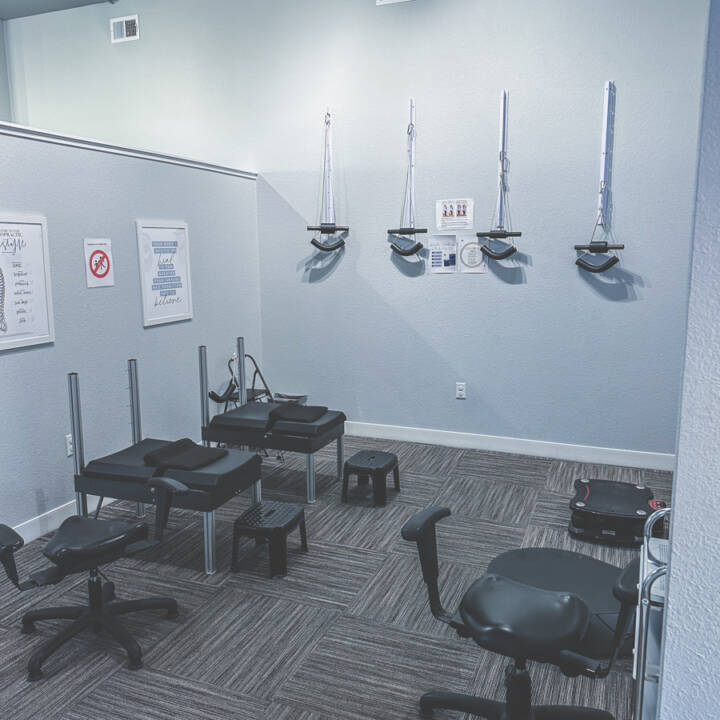
Well Beings Integrative Medicine is a chiropractic and physical medicine clinic at 3810 Pierce St. in Wheat Ridge. Its headache and migraine page describes tension headaches the same way the medical sources do, as a band-like pressure that often comes with tight neck and shoulder muscles, and it names posture, stress and dehydration among the triggers it sees. The clinic lists chiropractic adjustments for the neck and upper back, dry needling to reduce neck tension and stiffness, and personalized plans that can include posture correction, rehabilitative exercises and nutrition advice. It also has a separate neck pain page for people whose headaches travel with a stiff neck.
Its regular hours listed online are Monday, Wednesday and Thursday from 8 a.m. to 6 p.m. and Tuesday from 2 to 6 p.m. To ask a question or book, call or text 303.238.6500 or use the clinic’s online scheduling page. Disclosure: Well Beings Integrative Medicine is a Holland Health Marketing client.
You can read more about the clinic on our Local Business Spotlight: Well Beings Integrative Medicine, and if you want a lower-key evening this season, our Denver and Wheat Ridge holiday lights guide has plenty of easy options close to home.
Sources
- MedlinePlus, National Library of Medicine: Tension headache
- National Institute of Neurological Disorders and Stroke: Headache
- Cleveland Clinic: Tension headache
- Well Beings Integrative Medicine: Headache and migraine relief in Wheat Ridge
This article is for general education and is not a substitute for an exam or medical advice. Call 911 in an emergency.
More like this: Health · Learn · Wheat Ridge · Local Business Spotlight: Well Beings Integrative Medicine · Why does my neck hurt after a day on my phone?


