
Colorado’s ski season is officially on. Keystone opens for the 2026-27 season today, Friday, Oct. 30, Arapahoe Basin has been spinning a lift since midweek, and Copper Mountain has set Nov. 6 as its first day. For skiers in Denver and the west suburbs, that means the first I-70 drives of the season start this weekend, along with the first sore quads of the year. Here is what is actually open, what the state requires of your tires on the way up, and how to keep an early-season trip from turning into a November spent on the couch.
What is open right now
Keystone announced Friday, Oct. 30 as its opening day in a release from Vail Resorts dated Oct. 28. Opening-day hours are 9 a.m. to 4 p.m., with more than two miles of groomed terrain on the Schoolmarm and Silver Spoon trails, reached by the River Run Gondola, laps off the Montezuma Express chairlift and a hike-to terrain park. The resort says it will keep opening terrain as conditions allow, uphill access is closed this early in the season, and night skiing starts on select Fridays, Saturdays and holidays at Thanksgiving. One pass note from the same release: Epic Pass prices go up after Nov. 15.
Arapahoe Basin opened Wednesday, Oct. 28, according to Denver7, with the High Noon run off the Black Mountain Express chairlift as the first terrain of its 80th season. As of this morning the A-Basin snow report shows one of nine lifts and one of 147 runs open on an 18-inch base. The area says no parking reservations are needed at this time and recommends buying lift tickets online in advance, where the earlier purchase is the cheaper one.
Copper Mountain’s website puts its winter opening day at Nov. 6. Loveland Ski Area, the closest of the big areas to the west metro, has not posted an opening date; its site shows snowmaking has begun and lists a season that typically runs late October through early May, with pass-sale events this weekend at Cabin Creek Brewing on Oct. 30 and at Christy Sports Park Meadows and Golden’s Rack Attack on Oct. 31. Check each area’s own snow report the morning you go, because early-season terrain changes day to day.
Your tires are already subject to the traction law
The Colorado Department of Transportation’s traction law covers I-70 from Morrison to Dotsero between Sept. 1 and May 31, which means every ski drive this season falls inside the window. Passenger vehicles need tires with at least 3/16 inch of tread, and the tires must be winter or all-weather tires carrying the mountain-snowflake symbol or an M+S marking, or the car must carry chains or an approved alternative traction device. CDOT also says it highly recommends an all-wheel or four-wheel drive vehicle in the mountains whenever possible. The fine for noncompliance is $100 plus a $33 surcharge, and if your car blocks a travel lane the penalty can reach $500 plus a $157 surcharge. A chain law, when it is called, is the last step before a closure and requires chains or an approved device on every vehicle. We covered the law in more detail in our traction law explainer earlier this month.
Why the first weekends hurt more than the rest of the season
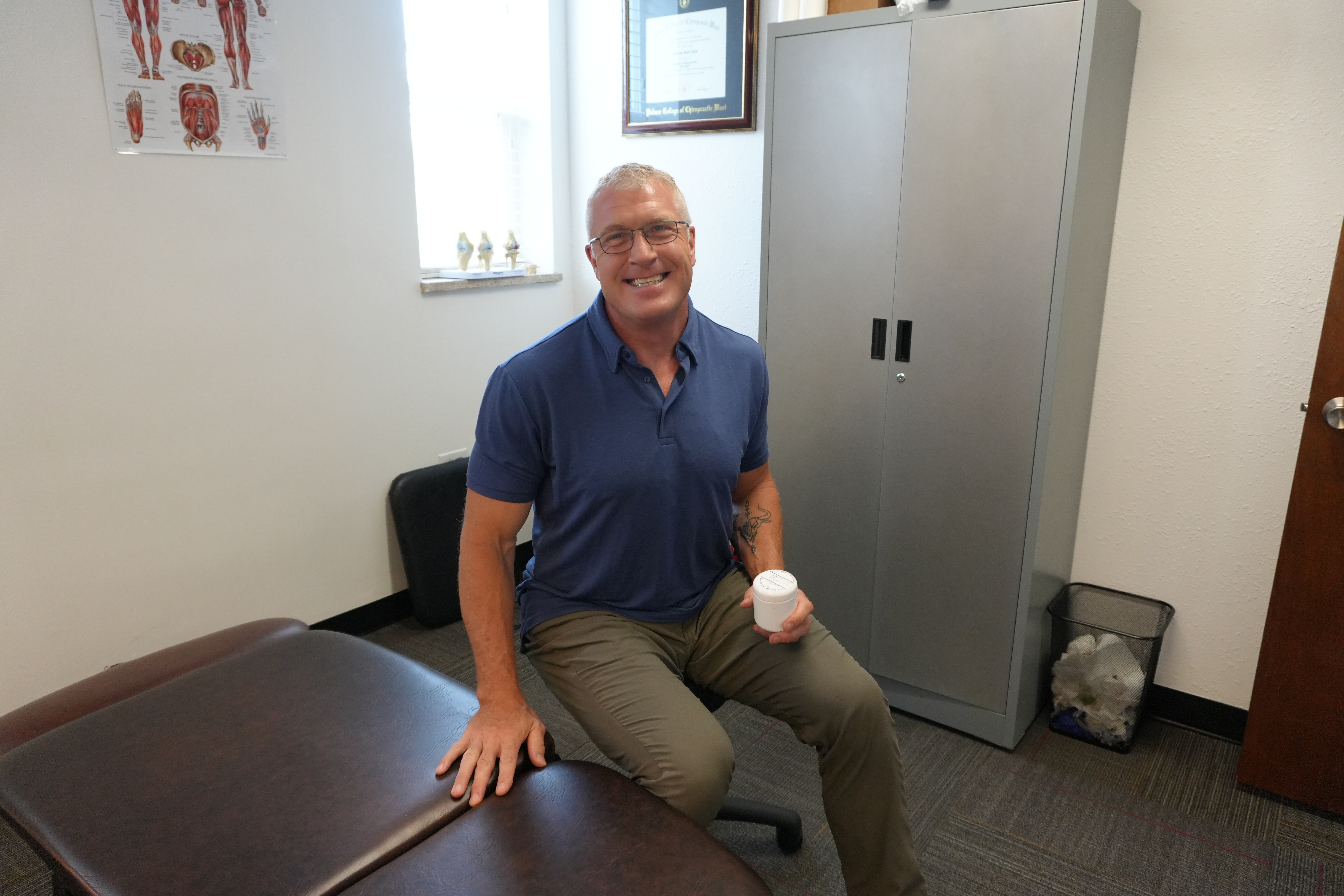
Most people have not skied since April, and a summer of sitting does not prepare hips and backs for a day of carving and chairlift rides. Lakeside Spine and Injury Center, a chiropractic and injury clinic on West 44th Avenue in Wheat Ridge, published a short series on this in the past week. Its post on why Colorado skiers get a pre-season tune-up in October describes the usual pattern: skiers who feel fine all summer get hurt after a few weekends on snow because the stiffness was already there in October and had not been tested yet. The restrictions it sees most are stiff hips, a locked-up mid-back, shortened hip flexors and tight quads, plus old injuries that were never loaded again, and it names knees, the lower back and the quads as the areas that cause the most trouble on the mountain.
The same post offers a five-question self-check you can do in your living room tonight: can you do a full-depth squat, can you balance on one leg for 30 seconds with your eyes closed, does your trunk rotate evenly to both sides, is last season’s injury fully healed, and could your legs handle three hard runs in a row? A no on any of them is worth paying attention to before Saturday, not after.
The injuries that show up in early season, and how to dodge them
Lakeside’s companion post on the most common ski and snowboard injuries is a useful checklist for anyone heading up this weekend. Knee ligament sprains, especially the MCL and ACL, usually come from twisting falls and back-seat landings, so leg strength and bindings that have been checked and adjusted this season matter. Snowboarders’ most common injury is the wrist, from bracing a fall with an open hand; wrist guards and falling with fists closed help. Low backs and tailbones get irritated by long drives, lift rides and repeated impacts, and the clinic suggests a five-minute warm-up of squats, lunges and trunk rotations, plus stretch breaks on the drive. Two timing points stand out: a whiplash-type neck strain can show up a day or two after a hard fall even with no head impact, and anyone who feels dazed, nauseated or foggy after a fall should stop riding and get checked the same day. The post also notes that most injuries cluster in the last runs of the day and the first days of the season, which is one more argument for ending opening weekend a run early.
Disclosure: Lakeside Spine and Injury Center is a Holland Health Marketing client.
A plan for this weekend
Check the tread on your tires tonight and look at the area’s snow report before you leave in the morning, because terrain counts will change through the weekend. Keystone is the one with the most groomed snow for now; A-Basin is a single blue run off one open lift; Copper comes online next Friday. Warm up in the parking lot, keep the first day short, and if something is still sore on Tuesday, that is the day to deal with it rather than the night before the next trip. If you would rather stay low this weekend, our Halloween weekend guide has the trunk-or-treats, museum nights and Dia de los Muertos events in Denver, Littleton, Highlands Ranch and Wheat Ridge.
Sources
- Vail Resorts: Keystone Resort announces Friday, October 30, as its Opening Day (Oct. 28, 2026)
- Arapahoe Basin snow report and Denver7 on A-Basin’s Oct. 28 opening
- Copper Mountain and Loveland Ski Area
- Colorado Department of Transportation: Traction Law and Passenger Vehicle Chain Law
- Lakeside Spine and Injury Center: Pre-Ski-Season Tune-Up (Oct. 26, 2026) and The Most Common Ski and Snowboard Injuries (Oct. 28, 2026)
This is general information, not medical advice.
More like this: Learn · Health · Wheat Ridge · Denver · Local Business Spotlight: Lakeside Spine and Injury Center · My kid got hurt playing fall sports: when to get it checked · This weekend


